The wholesale squeeze
A wholesaler sits in the middle of the supply chain, and cash gets squeezed from both sides. Suppliers — especially overseas manufacturers — often want a deposit when you order and the balance when goods ship. Customers, particularly larger retailers and hospitality groups, expect terms: the 20th of the month following is standard in New Zealand, and some big buyers ask for longer.
Put those together and you can be out of pocket for three or four months on every shipment.
Mapping the cycle
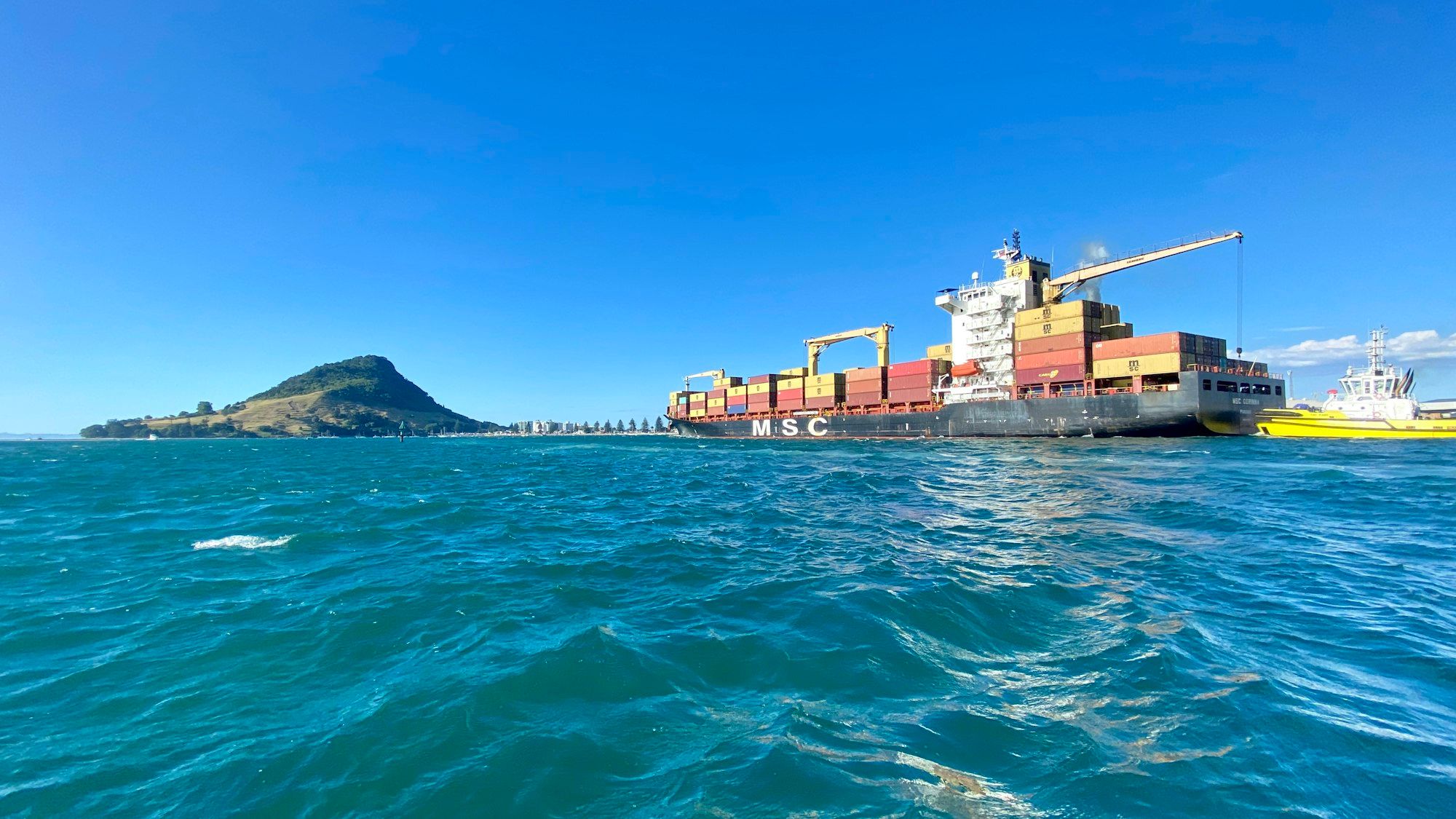
Here’s a simplified view of one import cycle for a distributor bringing product through the Port of Tauranga:
| Stage | Timing | Cash |
|---|---|---|
| Order placed, deposit paid | Day 0 | Out |
| Goods shipped, balance paid | About 4–6 weeks | Out |
| Arrival, Customs, GST on imports, freight | About 8–10 weeks | Out |
| Stock sold to customers | Weeks 10–16 | Invoiced |
| Customers pay on 20th-following terms | Weeks 14–22 | In |
Every business’s timings differ, but the shape is common. Our working capital cycle guide shows you how to measure yours in days.
Why growth makes it worse
When a distributor wins a new supermarket listing or a big hospitality account, sales rise — and so does the cash tied up in the cycle. Twice the orders means twice the deposits, twice the freight, twice the GST on import and twice the debtors. Profitable growth can still drain the bank account. That’s where a funding facility earns its place.
How a revolving line of credit fits
A revolving line of credit mirrors the wholesale cycle. You draw to pay suppliers, freight and import GST. As customers pay, you repay, and the limit becomes available for the next shipment. For businesses usually trading six months or more, the limit is set from turnover and bank statements, and weaker credit is considered.
For larger one-off needs — buying out a competitor’s stock, a warehouse fit-out, a much larger first order for a new contract — a property-secured loan of $20,000 to $1m can sit alongside the line of credit.
Shortening the cycle before you fund it
Funding is most effective when the cycle it covers is as short as practical:
- Negotiate supplier terms. Even moving from payment-on-shipping to 30 days after arrival cuts weeks from the gap. See negotiating supplier terms.
- Tighten customer terms where you can. Offer a small benefit for faster payment, invoice promptly, and chase on day one of overdue.
- Stock smarter. Slow-moving lines tie up cash; review them every quarter.
- Watch concentration. If one customer is a large share of your sales, their payment habits drive your cash flow.
Example scenario
Example scenario — illustrative only. A Wellington food-service distributor wins a contract to supply a regional café chain. The first order requires bringing in an extra container of product and paying for it before the chain’s first payment on 20th-following terms. The owner draws on a line of credit to fund the container, freight and import GST, then repays as the chain’s payments come in. The limit is ready for the next container.
Opportunities that come with the territory
Wholesalers see more bargains than most businesses: end-of-line stock, discounts for full containers, a competitor’s warehouse clearance. Having a facility already in place means you can act quickly. Read more about opportunity funding.
Pricing
Every facility is priced on your individual circumstances. We don’t publish rates, and we look for the sharpest option available for your business.
Keep stock moving
Start the 60-second enquiry. It’s free, doesn’t affect your credit score, and a lending specialist will call you back to talk through your cycle.