Why tourism cash flow is so uneven
Tourism is one of New Zealand’s largest industries. Stats NZ’s tourism satellite account put total tourism expenditure at $46.6 billion in the year ended March 2025, and overseas visitor arrivals reached 3.51 million in the December 2025 year. But that spending doesn’t arrive evenly. It concentrates in summer holidays, school breaks, long weekends and — for alpine towns — the ski season.
For an individual business, that means most of the year’s revenue can arrive over a few months while costs run all twelve.
The seasons, place by place
Queenstown and Wānaka
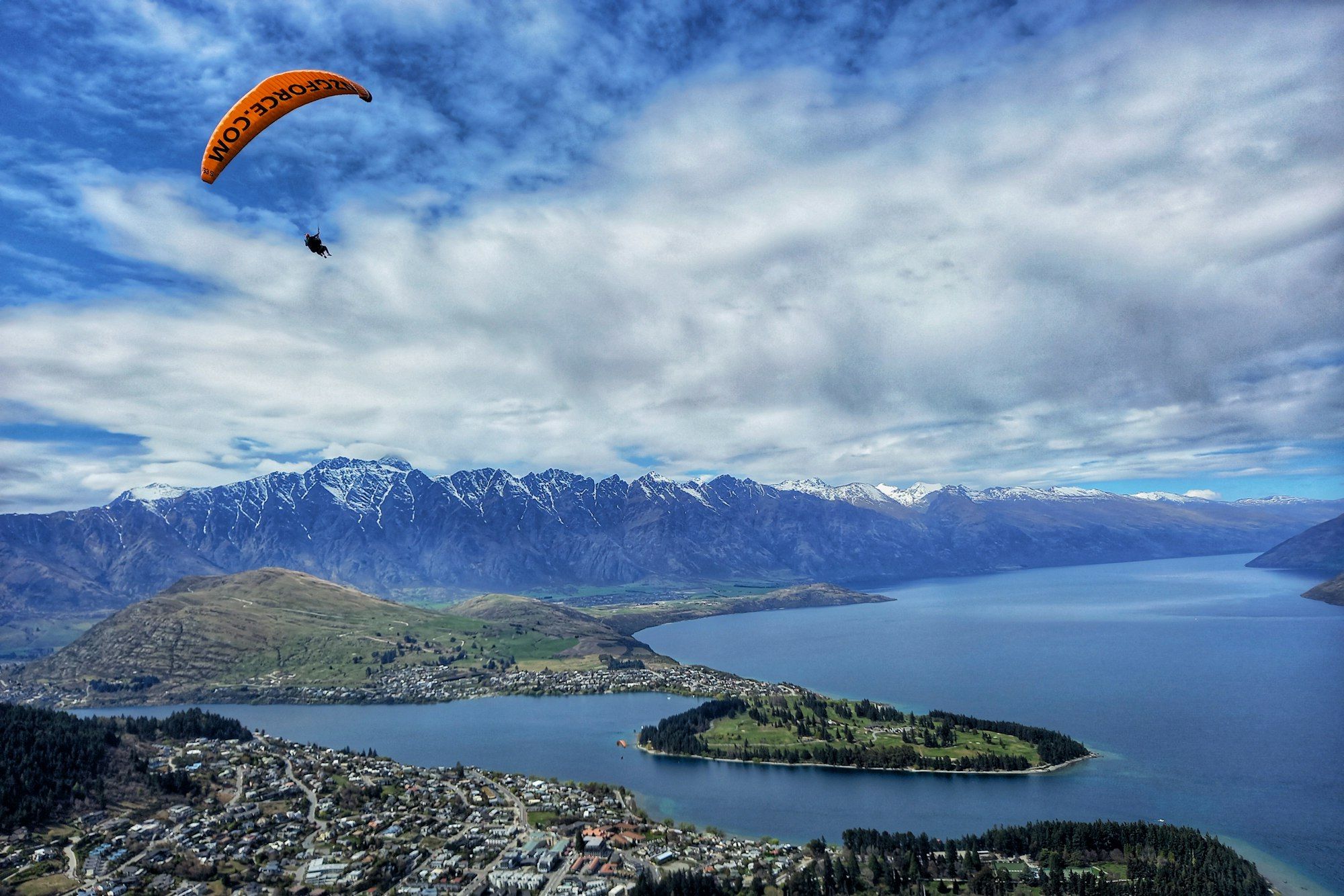
Queenstown has two peaks: summer, and a winter ski season driven heavily by Australian visitors. Local reporting in 2025 noted winter visitation up around 10% on the prior year, while local businesses also flagged rising wage costs and spending that hadn’t fully caught up with visitor numbers (NZ Herald). The quiet stretches are the shoulder months — typically late April to mid-June and October to November.
Rotorua
Rotorua’s geothermal and cultural attractions draw visitors year-round, but international arrivals and school holidays still create clear peaks. Winter can be steady for domestic travel while international volumes dip.
Bay of Islands and Northland
Northland is strongly summer-weighted. Charter boats, dolphin tours, holiday accommodation and waterfront hospitality can earn a large share of the year between Christmas and Easter, with winter far quieter.
For regional detail, see our guide to New Zealand tourism seasonality data.
What tourism businesses use funding for
- Keeping core staff through the shoulder season so the team is trained and ready for the peak.
- Pre-season preparation — servicing jet boats and buses, replacing ski-hire stock, refreshing a restaurant fit-out, marketing to next season’s visitors.
- Covering tax that falls in a quiet month, especially provisional tax.
- Opportunities — buying a competitor’s fleet or taking over a neighbouring lease.
- Unexpected repairs — a chiller in a Paihia restaurant, a coach gearbox in Rotorua — that can’t wait for the season to turn.
Which structure fits?
| Situation | Usual fit |
|---|---|
| Recurring off-season gap | Business line of credit, drawn in the trough and repaid in the peak |
| One-off pre-season purchase | Unsecured or property-secured loan |
| Larger need or thin trading history | Property-secured loan, $20,000 to $1m |
| Built-up IRD balance after a poor season | Property-secured loan to refinance or pay out IRD debt |
Unsecured facilities usually need around six months of trading. Property-secured loans are secured on New Zealand property you or a supporting party already own, need no financials or tax returns for the initial assessment, and can fund within 24 hours of approval in some cases.
How we present a seasonal business to lenders
A lender reading twelve months of statements from a Queenstown ski-hire business will see a winter spike and months of little income. That’s normal — but only if someone explains it. We describe your season up front: when the peak starts, how last year compared, how costs flex. That context is often the difference between a sensible limit and a cautious one.
Example scenario
Example scenario — illustrative only. A Bay of Islands café and bar trades strongly from December to April and runs at a loss through winter. The owners arrange a line of credit in March, draw on it from June to cover wages for their three permanent staff and a kitchen upgrade, and repay it over the following summer. Keeping those staff means the business opens the season with an experienced team rather than recruiting in a tight labour market.
Pricing
We never publish rates. Every facility is priced on your individual circumstances, and we look for the sharpest option available for your business.
Talk to us before the season turns
Start the 60-second enquiry or call 09 875 4577. It’s free, it doesn’t affect your credit score, and a lending specialist will call you back to talk through your season.