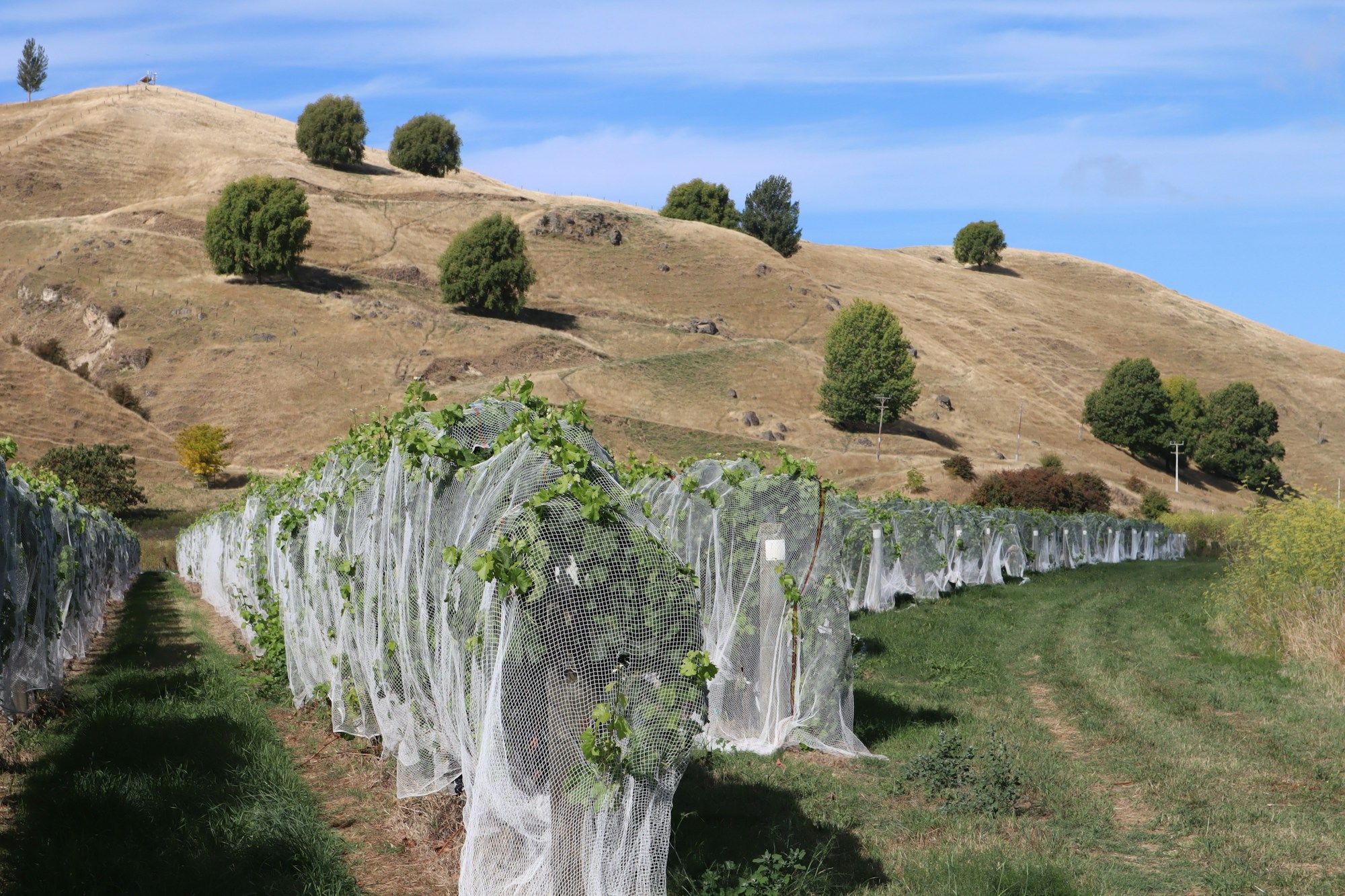
A grape grower can use a business line of credit to carry the vineyard year. You draw on it to pay for winter pruning, spring frost protection, sprays, netting and harvest contractors, then repay it as each winery instalment arrives. Lenders usually want to see at least six months of trading and bank statements that show last season’s grape payments. A grape supply agreement makes the case much stronger.
It’s early October. In vineyards from Marlborough to Central Otago, budburst is under way and the frost season has started, which makes this a sensible time to look at the cash side of the year ahead.
Why does a vineyard need a facility at all?
A vineyard spends money for most of the year before it earns any. According to New Zealand Winegrowers’ 2026 vineyard register, there are 2,019 active vineyards in the country, averaging about 22 hectares, and Marlborough holds 73% of the planted area. Most of them are independent growers selling fruit to wineries. Their whole income usually comes from one crop, harvested over a few weeks and paid for in instalments after it leaves the vineyard.
Here’s the shape of a typical year for a contract grower:
| Months | Vineyard work | Cash out | Cash in |
|---|---|---|---|
| June–August | Winter pruning, wrapping, trellis repairs | Heavy (labour) | Later winery instalments from the last vintage |
| September–November | Budburst, frost protection, early sprays | Moderate to heavy, depending on frosts | Final instalments, if any |
| December–February | Flowering, shoot thinning, leaf plucking, canopy trimming | Heavy (labour and contractors) | Usually nothing |
| February–March | Bird netting, crop estimates, fruit thinning | Moderate | Usually nothing |
| March–April | Vintage — machine or hand harvesting, cartage | Heavy (contractors) | Nothing until the first instalment |
| May–June | Post-harvest work | Light | First winery instalment(s) |
Timings vary by region and variety, and payment terms vary by winery. The pattern doesn’t change, though. The account is usually at its lowest between Christmas and the first grape payment, and for many growers the bank balance only climbs once the fruit has been off the vines for weeks.
How a line of credit works through a vineyard season
A business line of credit gives you an approved limit. You draw what you need, repay when cash arrives, and the repaid amount becomes available again. For a grower, that rhythm lines up with the calendar:
- Winter: draw for pruning crews if last season’s payments are already spent.
- Spring: draw again if frost nights mean fans, helicopters or water costs you didn’t budget for.
- Summer: draw for canopy contractors and netting.
- Autumn: draw for harvesting and cartage.
- After vintage: repay from each winery instalment until the facility is clear, ready for next season.
Compared with a term loan, you aren’t paying for a lump sum that sits idle through the months you don’t need it. Compared with leaning on suppliers or the GST account, you keep your trade relationships and IRD record clean. Our guide on how a business line of credit works covers draws, repayments and limits in more detail.
What lenders look for from a grape grower
A grower’s bank statements look odd at first glance: large outgoings for most of the year, and a handful of big deposits in a cluster. Lenders who understand horticulture read that as normal, provided the context comes with it. Expect the conversation to cover:
- Your grape supply agreement. Which winery, which blocks and varieties, how long it runs, and how payment is scheduled. This is the single most useful document a grower can have ready, because it shows where the money is coming from and when.
- Last season’s payments. Your bank statements should show the instalments landing. If they were paid into a different account, say so.
- Trading history. Lines of credit are usually for businesses trading six months or more.
- Other commitments. Existing vineyard loans, equipment finance and any tax arrangements.
Our page on horticulture, viticulture and agribusiness funding explains how we present a grower’s payment calendar so the lender reads the statements in context.
Frost season already eating into the budget? The 60-second enquiry doesn’t involve a credit check, and you can tell us exactly when your winery pays.
What if you don’t have a winery contract?
This is the hard question for some growers this year. Wineries limited their grape intake in 2025 after a very large crop, and some fruit was left on the vines. By the 2026 vintage, growers without contracts in Marlborough were choosing to remove or mothball vineyards, while wineries talked about honouring existing grower contracts. Industry figures reported in September put the 2026 harvest at around 440,000 tonnes, about 15% smaller than 2025, which brings supply closer to demand. It doesn’t help a grower who has no buyer for next autumn’s fruit, though.
Here’s the honest version. An unsecured line of credit is assessed on the income your business can show is coming. Without a contract, that’s harder to show. Options that can still work:
- A shorter or partial contract. Even a one-season or part-crop agreement gives a lender something concrete.
- Property-secured funding. If you or a supporting party own land, a home or other New Zealand property, a property-secured loan of $20,000 to $1m relies mainly on that security. Vineyard land itself can be used, as a first or second mortgage.
- Bridging a decision, not a hole. Funding makes sense to carry the vineyard while you finalise a contract, a lease to a winery or a sale. It’s the wrong tool for propping up blocks that have no realistic buyer for the fruit. That needs a strategy call first, ideally with your accountant.
A worked example: sizing the facility
This is a made-up example to show the method. The figures aren’t from any real vineyard.
A grower runs a 22-hectare Sauvignon Blanc block in the Wairau Valley under a three-year supply agreement. Their forecast for the year shows:
- Season costs of about $260,000, front-loaded into pruning (July–August), canopy work (December–January) and harvest (April).
- Grape income of about $330,000, paid by the winery in three instalments: May, July and September.
- A provisional tax instalment on 15 January.
When they map it month by month, the bank balance bottoms out at roughly $95,000 overdrawn in late April. That’s after harvest contractors are paid and before the first instalment lands. A frost-heavy spring adds about $15,000 in their worst case.
So they ask for a facility with room for about $110,000 to $120,000. The lender sets the actual limit from turnover and bank statements. The grower draws from December, peaks in April, and clears the balance by September. In a mild year they never touch the frost margin, and that headroom just sits there ready to use.
The step to copy is the forecast, not the figures. Business.govt.nz has a guide to cash flow forecasting and a free forecaster tool, and our seasonal cash flow plan shows how to build one around an uneven year.
Tax dates that land in the dry months
Two tax dates fall right in a grower’s leanest stretch.
- 15 January. For a 31 March balance date, the standard and estimation provisional tax instalments fall on 28 August, 15 January and 7 May. You pay provisional tax if your residual income tax last year was more than $5,000. The January instalment arrives months before any grape income. GST for periods ending in November is also due on 15 January.
- 7 May. The third instalment, plus GST for periods ending in March. For many growers, that’s before the first winery instalment has cleared.
If last season was a big year and this one won’t be, ask your accountant whether re-estimating makes sense. Our guide on provisional tax for seasonal businesses walks through the options.
It’s also worth knowing about IRD’s income equalisation scheme, which is open to “farmers, fishers, growers and foresters”. It lets you deposit income in a strong year and draw it back in a weaker one, smoothing the tax. Refunds generally can’t be made within 12 months of the deposit, though, so it smooths income between years. A line of credit is what covers the gaps within a season.
Equipment and development: fund them separately
Frost fans, sprayers, mulchers, posts and wire, and replanting blocks onto a new variety are long-life costs. Funding them from a revolving facility ties up the limit you need for wages and contractors. Keep the line of credit for the working-capital cycle. For capital items, an equipment loan or a property-secured loan against the land is usually the cleaner fit.
Setting it up before the frost nights, not after
The growers who handle this best set their facility up when the business looks its strongest on paper. That’s in the months after the winery has paid, not in late winter when pruning has emptied the account. If you’re reading this in spring and you haven’t got a facility in place yet, now is still a lot better than April.
We spend our days helping New Zealand businesses whose income arrives in a few big waves, and vineyards are about as wave-shaped as businesses get. Our enquiry form takes about 60 seconds, and there’s no credit check at that stage. We won’t fire your details off to a pile of lenders either, so you won’t be fielding calls from strangers all week. A real person reviews your situation (your region, your contract, when your winery pays) and phones you to talk through what fits.
Please fill the form in accurately, especially your turnover, how long you’ve been trading and whether your fruit is contracted. That way we can match the right option first time, before the next vintage instead of after it.