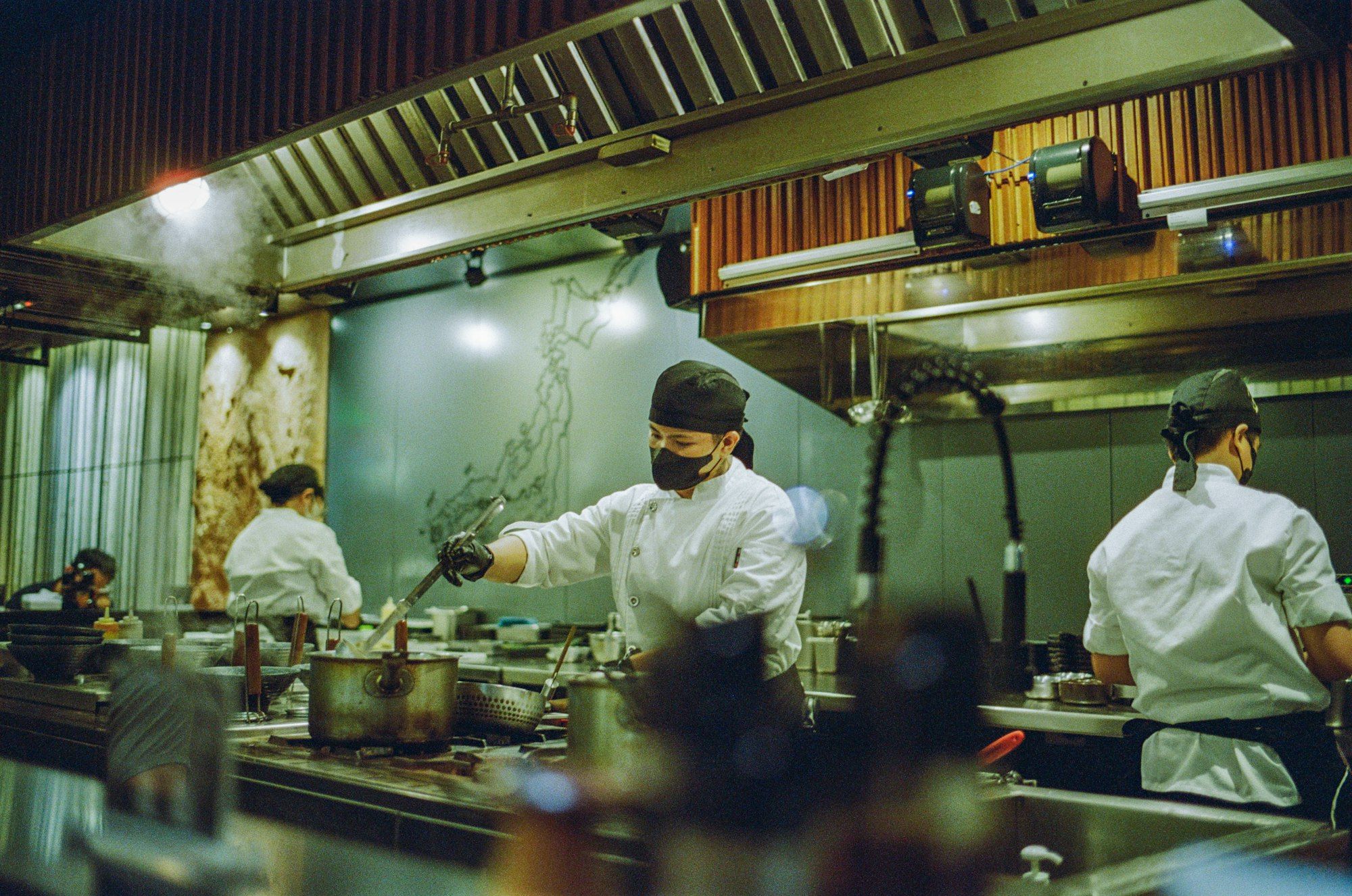
The off-season problem
A café on the Paihia waterfront, a bar in Queenstown during the spring shoulder, a restaurant in a Coromandel beach town in July — they all face the same equation. Revenue can fall sharply, but rent, core wages, insurance, loan repayments and power don’t fall with it.
Getting through isn’t about a single fix. It’s a combination of trimming, adapting and planning.
Start with the numbers
Before cutting anything, know your position:
- Break-even per week. What revenue covers your fixed costs plus the variable costs of opening?
- Last year’s off-season. Week by week, how far below break-even did you go, and for how long?
- The low point. From your seasonal cash flow plan, what’s the lowest your bank balance is likely to reach?
These three numbers tell you how much you need to save, earn or fund.
Tactic 1: Roster to demand
- Use last year’s sales data by hour and day to set rosters.
- Keep a core team on guaranteed hours — the people you can’t afford to lose.
- Cross-train staff so fewer people can cover more roles.
- Encourage staff to take annual leave in the quiet months.
- Consider reduced opening hours or days rather than full closure.
Tactic 2: Rework the menu
- Shrink the menu to reduce waste and prep time.
- Lean on high-margin items and dishes that share ingredients.
- Use seasonal produce that’s cheaper and better in winter.
- Reprice carefully — a small increase on high-volume items can protect margin without deterring locals.
Tactic 3: Build local and shoulder trade
When visitors thin out, locals matter more:
- Locals’ nights or midweek specials.
- Functions and private dining — birthdays, work functions, clubs.
- Winter events — quiz nights, live music, set menus around Matariki.
- Takeaway and catering for nearby businesses.
- Corporate and conference work in the shoulder months.
Domestic tourism is a big part of the picture. Stats NZ’s tourism satellite account put domestic tourism spend at about $28.5 billion in the year ended March 2025, well above international visitor spend. Long weekends and school holidays can be worth targeting. See our tourism seasonality data guide.
Tactic 4: Talk to your landlord and suppliers early
- Landlords: some will agree to seasonal rent — lower in winter, higher in summer — particularly for long-standing tenants. Ask before the season starts, not when you’re behind.
- Suppliers: ask for extended terms during the quiet months, or consolidate orders to one or two suppliers for better pricing. See negotiating supplier terms.
- Utilities: review power and gas plans before winter.
Tactic 5: Use the quiet months productively
The off-season is the best time for:
- Maintenance, deep cleans and small refurbishments.
- Staff training and recipe development.
- Marketing for next season — website updates, booking systems, partnerships.
- Reviewing contracts, insurance and subscriptions.
Plan the cost of these into your cash flow; they’re essential, but they land when revenue is lowest.
Tactic 6: Watch the tax calendar
GST and provisional tax don’t pause for winter. Check which due dates fall in your quiet months and set money aside during the peak. Our guides on provisional tax and GST timing cover the dates.
Tactic 7: Line up funding before you need it
Even with good planning, many hospitality businesses need some funding to bridge the quietest stretch. The key is timing: arrange it near the end of your peak, when bank statements look strongest.
- A business line of credit lets you draw for wages and costs through winter and repay when trade returns. It’s generally for businesses trading six months or more.
- For a larger need — a refit, new kitchen equipment, clearing a tax balance — a property-secured loan of $20,000 to $1m may suit, secured on New Zealand property you or a supporting party own.
Signs it’s time to rethink the model
Sometimes the off-season exposes a deeper issue. It may be worth a harder look if:
- The off-season gap grows every year even as the peak holds steady.
- You’re relying on funding every winter and not fully clearing it by the end of summer.
- Staff costs in the quiet months are rising faster than revenue in the busy ones.
- Your menu, hours or format suit visitors but not locals.
These don’t mean the business isn’t viable. They mean the model may need adjusting — shorter opening hours, a different winter offer, a planned closure period or a change of lease terms — before funding becomes a habit rather than a bridge.
An off-season checklist
| Task | When |
|---|---|
| Review last off-season’s numbers | End of peak |
| Arrange standby funding | End of peak |
| Talk to landlord and key suppliers | Before the quiet months |
| Set rosters and core-team hours | Start of off-season |
| Trim menu, plan local events | Start of off-season |
| Schedule maintenance and training | Mid off-season |
| Launch next season’s marketing | Late off-season |
Keep the doors open
The businesses that come through winter strongest are the ones that planned for it in summer. If you’d like capital on call before the quiet months arrive, our tourism and hospitality funding page explains how we help, starting with a 60-second enquiry that doesn’t affect your credit score.